In academic writing, clarity, precision, and effective communication are essential. As research becomes increasingly complex, scholars must find ways to present their findings in a manner that is both understandable and engaging. One of the most effective approaches is the strategic use of visuals. Whether you are using visuals in research papers or preparing a full-length dissertation, illustrations can transform dense information into accessible knowledge.
Visual elements such as diagrams, tables, and charts and graphs in research are not merely decorative additions. They serve as powerful tools that support arguments, clarify ideas, and enhance the overall quality of your thesis. This blog explores how illustrations strengthen academic work and provides practical guidance on their effective placement.
How Illustrations Enhance Your Thesis
1. Clarify Complex Concepts
Illustrations help simplify abstract or technical ideas. An illustrations in thesis example, such as a conceptual model, can visually demonstrate relationships that would otherwise require lengthy explanations.
2. Improve Reader Understanding
Combining text with visuals enhances comprehension. Readers can process information more quickly when it is presented in both verbal and visual formats.
3. Strengthen Academic Arguments
A well-designed Figure in thesis like a statistical graph serves as concrete evidence, reinforcing the credibility of your research findings.
4. Present Data Concisely
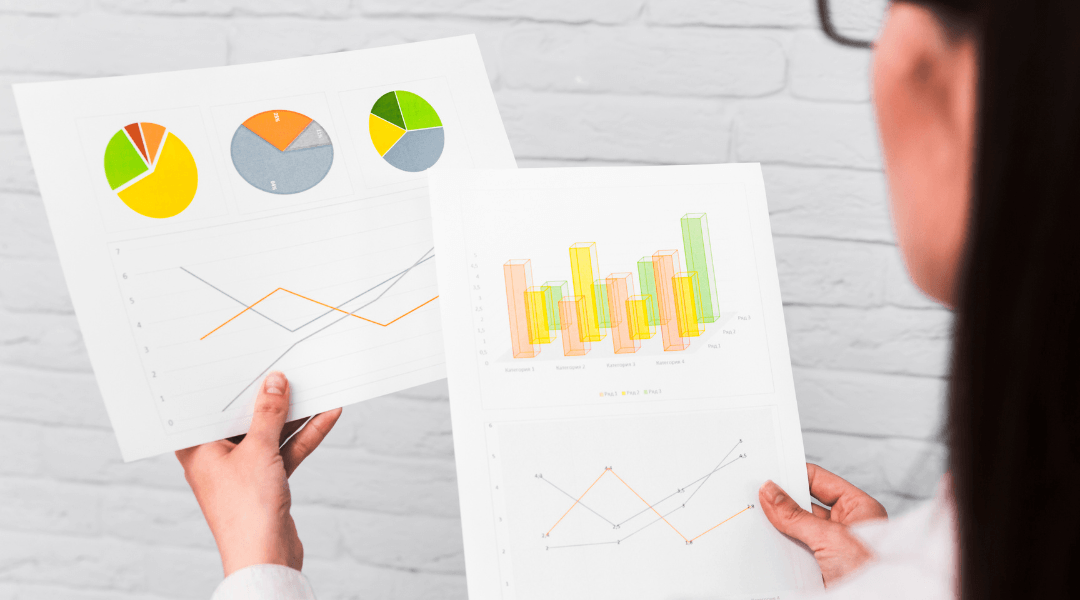
Instead of lengthy textual descriptions, charts and graphs in research allow you to summarize data efficiently and effectively.
5. Increase Engagement and Readability
Visuals break up dense text, making your thesis more engaging and easier to read. This is particularly important for lengthy academic documents.
6. Highlight Key Findings
Important results can be emphasized through visuals, ensuring that readers immediately recognize the most significant aspects of your research.
7. Organize Information Systematically
Tables and diagrams help structure information logically, making it easier for readers to follow your arguments.
8. Enhance Professional Appearance
A thesis with properly formatted visuals appears more polished and academically rigorous, reflecting a high standard of scholarship.
9. Improve Retention of Information
Readers are more likely to remember visual content than text alone, increasing the impact of your research.
10. Facilitate Interdisciplinary Communication
Visuals make your work accessible to readers from different academic backgrounds who may not be familiar with specialized terminology.
Best Placement of Tables, Charts, and Figures (Practical Tips)

Understanding Where to put list of tables and figures in thesis and how to position visuals correctly is essential for effective academic writing. Below are key tips for adding visuals to thesis projects:
- Front Matter Placement: Include the “List of Tables” and “List of Figures” immediately after the table of contents. This improves navigation.
- Proximity to Text: Always place visuals right after the paragraph where they are first mentioned. This ensures logical flow and clarity.
- Clear Labeling: Each Figure in thesis and table should be numbered and accompanied by a descriptive caption.
- Avoid Overloading Pages: Do not crowd multiple visuals onto one page. Ensure each element is clearly visible and easy to interpret.
- Use Appendices for Large Data: Extensive tables or detailed charts should be placed in the appendix, with references in the main text.
- Maintain Consistency: Use uniform formatting, fonts, and styles for all visuals to create a cohesive presentation.
- Explain Every Visual: When using visuals in research papers, always discuss their relevance in the text. Never leave a figure unexplained.
Final Thoughts
Illustrations are a vital component of effective academic writing. They enhance clarity, improve engagement, and strengthen the overall impact of your thesis. By thoughtfully integrating visuals and following best practices, you can present your research in a way that is both compelling and professional.
In today’s academic environment, where clarity and accessibility are increasingly valued, mastering the use of visuals is no longer optional it is essential. Whether through diagrams, tables, or charts and graphs in research, visuals enable you to communicate complex ideas with precision and confidence.
How Can thesis-edit.com Help You?
Creating a visually effective thesis requires not only subject knowledge but also technical expertise in formatting and presentation. This is where thesis-edit.com can provide valuable support. Their professional services help refine your document by ensuring that all visuals figures, tables, and illustrations are properly formatted, clearly labeled, and seamlessly integrated into your text. In addition, thesis-edit.com assists with overall editing, structure, and academic style, helping you meet institutional guidelines with ease.