Plagiarism is one of the most significant ethical issues in academic and professional research. It not only undermines the credibility of the researcher but can also lead to severe consequences, such as retraction of published work, damaged reputation, and legal implications. Given the increasingly interconnected and digitized academic landscape, avoiding plagiarism has become more critical than ever. This article explores the nuances of plagiarism, its implications, and practical strategies to avoid it while adhering to scholarly integrity.
Understanding Plagiarism
Plagiarism is the act of using someone else’s intellectual property—whether ideas, words, or findings—without proper acknowledgment. This can occur intentionally or unintentionally, making it imperative for researchers to understand what constitutes plagiarism. Common types include:
- Direct Plagiarism: Copying text verbatim without quotation marks or citation.
- Self-Plagiarism: Reusing one’s previously published work without proper acknowledgment.
- Mosaic Plagiarism: Incorporating phrases from a source without proper citation, even if reworded.
- Accidental Plagiarism: Failing to cite sources correctly due to negligence or ignorance.
To address these challenges, researchers must prioritize transparency and accuracy in their work.
The Consequences of Plagiarism
Plagiarism can have far-reaching consequences, ranging from academic to legal repercussions. In academia, it can result in loss of degrees, revocation of research grants, or dismissal from institutions. Journals often retract plagiarized articles, which tarnishes the researcher’s reputation and diminishes trust in their future work. On a broader scale, plagiarism undermines the integrity of the scientific community and erodes public trust in research.
In some cases, legal actions may be taken against individuals accused of copyright infringement, leading to fines or lawsuits. Therefore, understanding how to avoid plagiarism is both a professional responsibility and an ethical obligation.
Practical Strategies to Avoid Plagiarism
Avoiding plagiarism requires a combination of ethical commitment, diligent practices, and effective use of tools. Here are several actionable strategies:
Develop Strong Research Skills
Good research practices are the foundation of plagiarism-free work. This includes organizing notes, keeping track of sources, and understanding the research topic thoroughly. Maintaining a detailed bibliography during the research process ensures that all sources are properly documented, reducing the risk of accidental plagiarism.
Understand Proper Citation Practices
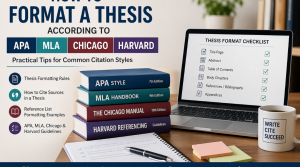
Citations are essential for acknowledging the work of others. Researchers must familiarize themselves with the specific citation style required by their discipline, such as APA, MLA, Chicago, or IEEE. Accurate citations not only attribute credit but also help readers trace the original sources.
Key citation practices include:
- Quoting directly with proper attribution.
- Paraphrasing effectively while retaining the original meaning and citing the source.
- Including a comprehensive bibliography or reference list.
Paraphrase Effectively
Paraphrasing is rephrasing another author’s ideas in your own words. Effective paraphrasing requires understanding the source material thoroughly and presenting it in a new and original way. However, even paraphrased content must be cited, as the ideas belong to the original author. Tools like the Purdue Online Writing Lab (OWL) offer guidelines on how to paraphrase without plagiarizing.
Use Plagiarism Detection Tools
Modern technology offers numerous tools to identify and prevent plagiarism. These tools compare a document against vast databases to detect similarities and ensure originality. Popular tools include:
- Turnitin: Widely used in academia, Turnitin provides detailed reports on text similarity and originality.
- Grammarly’s Plagiarism Checker: This tool highlights unoriginal text and suggests corrections.
- Copyscape: Often used by content creators to ensure uniqueness in web content.
- Quetext: A user-friendly tool offering in-depth plagiarism analysis.
While these tools are highly effective, researchers should use them as a supplement rather than a substitute for ethical writing practices.
Stay Updated on Copyright and Fair Use Laws
Understanding copyright laws and the principles of fair use is crucial for avoiding unintentional violations. Researchers must differentiate between what constitutes public domain content and copyrighted material. For example, data and facts that are considered common knowledge may not require citation, while proprietary data always does.
Conduct Original Research
Engaging in original research minimizes reliance on secondary sources. Whether through experiments, surveys, or case studies, original research adds unique value to the academic community and reduces the risk of plagiarism. Properly documenting methodologies and findings further strengthens the credibility of the research.
Seek Guidance and Peer Review
Collaborating with mentors, colleagues, or editors can provide valuable insights and catch unintentional oversights. Peer review not only enhances the quality of research but also ensures adherence to ethical standards.
Addressing Current Debates on Plagiarism
The academic community continues to debate the nuances of plagiarism, particularly in light of technological advancements and cultural differences. For instance, machine-generated text from AI tools has sparked discussions on authorship and originality. While AI can assist researchers, over-reliance on these tools may lead to ethical concerns if proper credit is not given.
Cultural perceptions of plagiarism also vary globally. In some regions, the concept of intellectual property may differ, leading to unintentional breaches. Addressing these disparities requires global academic institutions to implement standardized ethical guidelines and provide training on plagiarism prevention.
Practical Implications for Researchers
Avoiding plagiarism is not just about compliance; it is about fostering a culture of integrity and respect for intellectual contributions. Researchers who prioritize originality contribute to the advancement of knowledge while setting a positive example for peers and future generations.
Additionally, adhering to anti-plagiarism practices enhances the credibility of research and increases the likelihood of publication in reputable journals. This, in turn, bolsters academic and professional recognition, opening doors to collaboration and funding opportunities.
Conclusion
Plagiarism is a pressing issue in research, with significant ethical, academic, and legal ramifications. By understanding its implications and adopting effective prevention strategies, researchers can ensure the integrity of their work and contribute meaningfully to their fields. From developing strong research skills to leveraging advanced plagiarism detection tools, every step plays a crucial role in maintaining scholarly authenticity. In the words of Isaac Newton, “If I have seen further, it is by standing on the shoulders of giants.” Recognizing and crediting those giants is not just an academic requirement—it is an ethical imperative.
For further reading and guidelines on plagiarism prevention, visit trusted academic resources like the Committee on Publication Ethics (COPE) and the Purdue Online Writing Lab (OWL). These platforms provide comprehensive insights into maintaining research integrity and upholding the highest standards of academic excellence.