Securing funding through grants has become an essential part of sustaining nonprofit work, academic research, and community development. Yet, crafting a persuasive grant proposal that stands out among hundreds of applications remains one of the most critical and challenging tasks for grant seekers. A funded grant proposal doesn’t merely outline a good idea—it presents a compelling case, supported by evidence, that aligns with the funder’s mission and proves the applicant’s capacity to deliver measurable results.
This post provides an in-depth guide on how to write a grant proposal that not only grabs attention but gets funded. Drawing on academic insights, practical strategies, and current debates in the field, this article is designed for researchers, nonprofit professionals, and anyone serious about writing grants that get funded. Our goal is to help you craft a successful grant proposal—one that is not only structurally sound but strategically persuasive.
The Anatomy of a Winning Grant Proposal
Whether you’re involved in non profit grant writing, academic research, or public programming, a grant proposal is more than a technical document—it’s a tool for persuasion. You are not simply informing; you’re convincing. A compelling proposal addresses a real need, outlines a feasible solution, and demonstrates why your organization is the best one to do the job.
Essential elements of grant application writing include:
- Statement of Need – This section articulates the core issue your project addresses. Use current data and studies to highlight the urgency and scope of the problem.
- Goals and Objectives – These should be precise and actionable, showing both vision and a roadmap.
- Project Narrative – This is your storytelling space. It lays out your methodology, activities, timeline, and logistics. It’s also where you demonstrate feasibility and capacity.
- Evaluation and Metrics – Reviewers want to know how you will measure success. This includes both qualitative and quantitative metrics.
- Budget and Justification – Make sure your figures are accurate and transparent. Every cost should be connected to your program goals.
- Organizational Capacity – Briefly highlight your team’s qualifications and your organization’s readiness to manage the grant.
Following these building blocks ensures your proposal is both comprehensive and credible—two critical traits of writing a compelling grant proposal.
Moving Beyond Structure: Writing Grants That Get Funded
Knowing how to structure a grant proposal is essential, but form alone does not guarantee funding. The real challenge lies in persuasion—convincing reviewers that your work is vital, timely, and implementable.
A few key strategies will significantly improve your chances of submitting winning grant proposals:
1. Research Your Funder
Understanding your funder’s mission, values, and funding history is foundational. Tailor your narrative to match their strategic interests. This signals alignment and attentiveness.
2. Make It Personal and Real
Beyond numbers, proposals should evoke empathy and urgency. Use a storytelling approach to demonstrate the human impact of your work. This emotional dimension often makes the difference between a decent proposal and a memorable one.
3. Prioritize Clarity
Avoid unnecessary jargon and overly complex sentence structures. Write in a professional, accessible tone. If your reviewer doesn’t understand your proposal, they won’t fund it.
4. Support Your Claims with Evidence
Every assertion should be backed with statistics, citations, or case studies. This lends credibility and assures funders that you’ve done your homework.
5. Refine Through Revisions
Few first drafts are funder-ready. Revise multiple times and seek feedback. This is where services like Thesis-Edit.com come in. With years of expertise in academic and professional editing, Thesis-Edit helps clients fine-tune proposals to meet both technical standards and rhetorical impact. A professionally reviewed proposal is far more likely to get noticed and funded.
Pre-Submission: A Practical Grant Writing Checklist
Before submitting your proposal, it’s crucial to conduct a thorough quality check. The following checklist brings together the key elements that funding bodies typically evaluate. Ensuring each point is addressed can significantly boost your chances of approval.
Grant Proposal Submission Checklist
| Checklist Item | Done |
| Clearly defined the problem your project addresses | ✅ |
| Goals and objectives align with the funder’s priorities | ✅ |
| Methodology is detailed, logical, and feasible | ✅ |
| Included metrics for evaluating success | ✅ |
| Budget is accurate, realistic, and fully justified | ✅ |
| Writing is clear, persuasive, and free of jargon | ✅ |
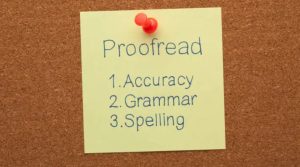
| Proposal has been thoroughly proofread and revised | ✅ |
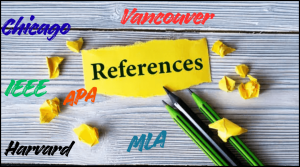
| Supporting evidence and citations are properly included | ✅ |
| Formatting follows the funder’s specific guidelines | ✅ |
| External review or professional editing (e.g., Thesis-Edit.com) was obtained | ✅ |
This checklist not only ensures completeness but also reflects your professionalism to the funder. Reviewers can tell when a proposal has been carefully curated—and they reward that effort.
Trends, Debates, and Practical Implications
Today’s funding landscape is evolving. There is a growing tension between traditional evaluation metrics (like quantitative outcomes) and newer, equity-focused approaches that value community knowledge and systemic change. Navigating this shift requires proposers to blend empirical evidence with community-informed narratives.
There is also increasing discussion around the role of AI tools in grant proposal writing. While technologies like ChatGPT can assist with ideation and early drafting, they can’t replicate the nuanced judgment and authentic voice needed to truly connect with funders. The best practice? Use AI to support your process, but rely on professional human review—especially for high-stakes proposals.
Conclusion
A persuasive grant proposal is the product of careful planning, strategic alignment, and compelling communication. It reflects a deep understanding of both the problem you’re addressing and the expectations of the funder. By applying the principles discussed in this guide—and by using professional services like Thesis-Edit.com to refine your work—you can significantly enhance your proposal’s competitiveness.
In a world where funding is limited and competition fierce, your ability to communicate clearly and persuasively is one of your most valuable assets. Take the time to craft, revise, and perfect your proposal. The return on investment can be transformative—not just for your organization, but for the communities and causes you serve.