Research paper writing is a cornerstone of academic and professional discourse, demanding not only well-researched content but also precise formatting. For professional writers, adhering to the formatting standards prescribed by various academic institutions or publishers is as critical as the content itself. This blog explores the essential tools available for formatting research papers, their significance, and practical implications, aiming to empower writers with the knowledge necessary to streamline their work.
Introduction
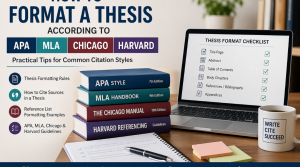
The process of writing a research paper extends beyond conducting thorough research and presenting arguments. Proper formatting is integral to ensuring that the work meets academic standards, facilitates peer review, and enhances readability. Professional writers often juggle between various formatting styles such as APA, MLA, Chicago, or IEEE, each with unique requirements. Manually formatting a document can be labor-intensive and error-prone, especially when handling extensive citations, footnotes, or specific layout demands.
Modern research paper formatting tools simplify this task, allowing writers to focus more on their research and arguments. These tools integrate seamlessly with word processors, offer features like automated citation management, and ensure adherence to specific style guidelines. In this post, we’ll explore some of the most reliable formatting tools, analyze their features, and discuss their relevance for today’s professional writers.
Why Formatting Matters in Research Papers?
Formatting serves multiple purposes in research papers:
- Professional Presentation: A well-formatted paper creates a strong first impression, reflecting the writer’s diligence and attention to detail.
- Readability: Consistent formatting aids readers in navigating the document, making it easier to locate specific sections, references, or arguments.
- Credibility: Adhering to established formatting standards conveys professionalism and ensures compatibility with scholarly publishing platforms.
- Compliance with Guidelines: Academic institutions and journals often reject poorly formatted submissions. Proper formatting helps avoid such pitfalls.
Essential Features of Research Paper Formatting Tools
The ideal formatting tool should include:
- Style Customization: Support for various citation and formatting styles.
- Integration with Word Processors: Compatibility with Microsoft Word, Google Docs, and other writing platforms.
- Automated Citation Management: Efficient handling of in-text citations and bibliographies.
- Error Checking: Detection and correction of formatting inconsistencies.
- Collaboration Features: Support for teamwork in multi-author papers.
Top Research Paper Formatting Tools
EndNote
EndNote is a robust reference management tool widely used by researchers and academics. It supports a range of citation styles and allows users to create custom bibliographies. EndNote’s integration with word processors enables seamless in-text citation and bibliography generation.
Key Features:
- Vast library of citation styles.
- Compatibility with online databases for importing references.
- Cloud storage for easy access across devices.
- Collaboration tools for shared projects.
Practical Implications: EndNote is ideal for professional writers dealing with large-scale research projects requiring intricate citation management. However, its premium pricing might deter occasional users.
Zotero
Zotero is an open-source tool known for its user-friendly interface and versatility. It is particularly favored by writers seeking a free yet powerful citation management solution.
Key Features:
- Automatic capture of citation details from web pages.
- Support for various citation styles.
- Integration with Google Docs and Microsoft Word.
- Free storage for up to 300 MB, with paid upgrades available.
Practical Implications: Zotero is a cost-effective solution for professional writers, especially those handling interdisciplinary projects that involve diverse source types.
Mendeley
Mendeley doubles as a reference manager and an academic social network. It enables users to organize research, collaborate with peers, and discover relevant studies.
Key Features:
- Integrated PDF reader and annotation tools.
- Citation plugin for word processors.
- Research collaboration and networking features.
- Cross-platform accessibility via desktop and mobile apps.
Practical Implications: Mendeley is excellent for writers seeking a comprehensive tool that combines reference management with networking opportunities. Its collaborative features are particularly beneficial for group projects.
LaTeX
LaTeX is a typesetting system widely used in academia, especially in disciplines like mathematics, computer science, and physics. It excels in producing complex documents with advanced formatting requirements.
Key Features:
- Precise control over formatting and layout.
- Extensive library of templates for academic papers and theses.
- Ability to handle complex equations and technical diagrams.
- Open-source and highly customizable.
Practical Implications: While LaTeX has a steeper learning curve compared to other tools, its capabilities make it indispensable for professionals working on mathematically or technically demanding papers.
Grammarly
Though primarily known as a grammar-checking tool, Grammarly also assists with formatting consistency. It highlights issues related to headings, bullet points, and overall document structure.
Key Features:
- Advanced grammar and style suggestions.
- Integration with Microsoft Word and browser extensions.
- Plagiarism detection.
- Tone and clarity adjustments.
Practical Implications: Grammarly is particularly useful for ensuring that the tone and presentation align with academic standards. Its premium version is well-suited for professional writers aiming for error-free submissions.
Current Debates and Research Findings
Despite the availability of these tools, debates persist regarding their effectiveness and reliability. Critics argue that over-reliance on automation can lead to oversight of nuanced formatting requirements. Research from academic journals suggests that manual review remains essential, even when using advanced tools. Studies highlight that while tools like LaTeX offer unparalleled precision, their complexity may deter less experienced writers from adopting them.
Practical Implications for Professional Writers
For professional writers, choosing the right tool depends on several factors:
- Nature of the Project: Complex, interdisciplinary projects may require robust tools like EndNote or LaTeX, while simpler papers can be managed with Zotero or Grammarly.
- Budget Constraints: Free tools like Zotero and Mendeley are ideal for budget-conscious writers.
- Technical Proficiency: Tools with a steep learning curve, such as LaTeX, may not be suitable for all writers.
- Collaboration Needs: For team projects, tools with collaborative features, such as Mendeley, are indispensable.
Conclusion
Research paper formatting tools have revolutionized the way professional writers approach academic writing. By automating tedious tasks and ensuring adherence to style guidelines, these tools enhance productivity and accuracy. However, they should complement rather than replace a writer’s expertise and critical judgment.
As the academic landscape continues to evolve, so too will the tools that support it. Professional writers must stay informed about emerging technologies and best practices, ensuring their work remains at the forefront of academic excellence. Leveraging these tools effectively can bridge the gap between rigorous research and its impactful dissemination.
However, if you’re struggling to find the perfect research paper formatting tool, Thesis-edit’s expert team is here to help! With our professional expertise, we ensure your paper is formatted to perfection. Trust us with the details—send us your paper today and take the first step toward academic excellence.