The process of writing a research paper can be both intellectually rewarding and demanding. As a scholar, ensuring that your ideas are conveyed with precision and clarity is of paramount importance. Yet, even the most diligent writers can overlook errors in grammar, syntax, or formatting, which can undermine the quality of their work. Moreover, rephrasing or paraphrasing content effectively while maintaining originality is another crucial aspect of academic writing. This is where proofreading and paraphrasing tools come into play. These digital solutions offer comprehensive support, helping researchers produce polished, professional, and plagiarism-free papers. In this article, we will explore why these tools are essential for academic writing, the various tools available, their benefits, and how they can be effectively integrated into the research workflow.
The Critical Role of Accuracy and Originality in Academic Writing
Academic writing demands a high level of accuracy and originality. Errors in grammar, punctuation, or sentence structure can obscure meaning, distract readers, and weaken the credibility of your work. Similarly, failing to paraphrase effectively can lead to unintentional plagiarism, a serious academic offense. Journals and institutions enforce strict guidelines for language use, formatting, and originality, making it imperative to deliver error-free and unique manuscripts.
Proofreading and paraphrasing tools address these challenges effectively. Proofreading tools use advanced algorithms to identify and correct errors that human reviewers might miss, while paraphrasing tools help researchers rephrase content for clarity, conciseness, or originality. Their ability to analyze and process vast amounts of text in seconds makes them particularly useful for researchers working under tight deadlines.
Key Features of Proofreading and Paraphrasing Tools
Modern proofreading and paraphrasing tools offer a range of features that cater to diverse academic needs. Below are some of their most prominent capabilities:
Grammar and Syntax Checking: Tools like Grammarly, ProWritingAid, and LanguageTool scan text for grammatical errors, awkward phrasing, and structural inconsistencies. They suggest corrections and provide explanations, helping writers improve their language skills over time.
Plagiarism Detection: Many proofreading tools include plagiarism detection features, comparing your text against extensive databases to ensure originality.
Paraphrasing Assistance: Tools like QuillBot, Paraphrase Online, and Wordtune help researchers rephrase sentences or paragraphs to avoid plagiarism while maintaining the intended meaning.
Style and Tone Analysis: Maintaining an academic tone is crucial for research papers. Tools such as Hemingway Editor and Grammarly’s tone detector help writers identify sentences that may be too casual, verbose, or unclear.
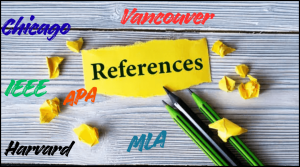
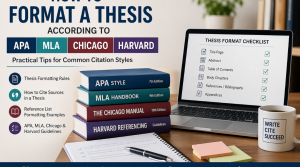
Formatting Assistance: Many tools offer support for formatting citations and references according to popular academic styles like APA, MLA, or Chicago. This feature ensures consistency and saves time.
Language Support for Non-Native Speakers: Proofreading tools are especially beneficial for non-native English speakers, as they can detect subtle errors and suggest context-appropriate word choices.
Popular Proofreading and Paraphrasing Tools
To help researchers select the right tool for their needs, here is a table summarizing some popular options, their features, and their pricing:
| Tool Name | Key Features | Free Version | Paid Version (Approx.) |
| Grammarly | Grammar, syntax, style analysis, plagiarism detection | Yes | $12/month |
| ProWritingAid | In-depth grammar checking, style improvement, readability analysis | Yes | $20/month |
| QuillBot | Paraphrasing, summarization, and grammar checking | Yes | $10/month |
| LanguageTool | Grammar and spelling checks, multilingual support | Yes | $4.99/month |
| Hemingway Editor | Readability improvement, style analysis | Yes | One-time $19.99 |
| Turnitin | Advanced plagiarism detection, citation checks | No | Institution-based pricing |
| Wordtune | Sentence rewriting, tone customization | Yes | $9.99/month |
Benefits of Using Proofreading and Paraphrasing Tools
Incorporating proofreading and paraphrasing tools into your academic workflow offers numerous advantages:
- Improved Writing Quality: These tools refine your text by identifying and correcting errors that might compromise clarity or professionalism. For example, a study published in the Journal of Second Language Writing (2018) found that automated grammar checkers significantly improved the linguistic accuracy of non-native English speakers’ academic writing.
- Time Efficiency: Editing and paraphrasing a lengthy research paper manually can be a time-consuming process. These tools streamline these tasks by providing instant feedback, allowing researchers to focus on content development and analysis rather than laborious error-checking.
- Plagiarism Prevention: Paraphrasing tools ensure that rephrased content maintains originality while avoiding unintentional duplication. This is crucial for upholding academic integrity.
- Consistent Adherence to Academic Standards: Journals and institutions often have specific requirements for language, formatting, and originality. Proofreading and paraphrasing tools ensure compliance with these standards, reducing the likelihood of rejection due to technical errors.
- Accessibility and Ease of Use: Most tools are user-friendly and compatible with various platforms, including word processors, web browsers, and mobile devices. This accessibility makes them convenient for researchers at all levels.
- Confidence in Submission: Using these tools provides an additional layer of assurance that your paper is error-free and original. This confidence can be invaluable when submitting work to high-stakes conferences or journals.
Addressing Concerns and Limitations
Despite their many benefits, these tools are not without limitations. Critics argue that they cannot fully replicate the nuanced understanding of a human editor. For instance, automated suggestions might misinterpret context, leading to inappropriate corrections or rephrasings. Additionally, over-reliance on such tools could discourage writers from developing their own editing and paraphrasing skills.
To mitigate these issues, these tools should be used as complements rather than substitutes for human review. Combining automated tools with peer feedback or professional editing services can yield the best results. This is where our expert thesis editing team comes in—eager to collaborate with you to refine your research paper and ensure it reaches its highest potential. Unlike automated tools, we bring a personalized touch and a deep understanding of your work’s context, addressing nuances that machines often overlook. Plus, we offer our professional services at affordable rates, making high-quality editing accessible to everyone. Let us help you achieve perfection without the limitations of automation!
Practical Recommendations
When selecting a proofreading or paraphrasing tool, researchers should consider their specific needs. For example:
- If grammar and plagiarism detection are priorities, tools like Grammarly Premium or Turnitin are excellent choices.
- For advanced paraphrasing and sentence restructuring, QuillBot or Wordtune might be more suitable.
Those on a budget can opt for free tools like LanguageTool or Hemingway Editor, which still offer robust features.
Conclusion
Proofreading and paraphrasing tools are now indispensable for academic writing, offering powerful features to elevate the quality, clarity, and originality of research papers. These tools enhance linguistic precision, save valuable time, and ensure adherence to strict academic standards, enabling researchers to articulate their ideas with greater impact.
However, while these tools are transformative, they are not without limitations and should be used alongside human expertise to ensure the best results. By integrating these tools thoughtfully, researchers can achieve the recognition their hard work deserves while upholding the highest standards of academic integrity.
In today’s fast-paced academic landscape, using these tools isn’t just an advantage—it’s a necessity for achieving excellence. If you’re unsure about investing in these tools or need expert guidance, our professional services are here to help you succeed.